Start Here
Five Things You Can Do Today
- Stop reheating food in fast food packaging or microwave bags. Transfer to glass or ceramic first.
- Replace any scratched or worn non-stick pan. A damaged PTFE coating is a direct food contamination source.
- Switch your dental floss. Replace Oral-B Glide or any PTFE-coated floss with plain nylon or silk.
- Run a cold-water flush before drinking tap water each morning, especially if you have not used the tap for several hours.
- Check your water utility’s Consumer Confidence Report at epa.gov/ccr to see if PFAS have been detected in your supply.
Reduce PFAS in Water
The Highest-Impact Step
Drinking water is the most significant controllable PFAS exposure source for most Americans. A 2024 Environmental Working Group analysis estimated that at least 143 million Americans have detectable PFAS in their tap water. Addressing your water supply has a larger impact on your overall exposure than any other single change.
01
Find Out What Is in Your Water
Look up your water utility’s Consumer Confidence Report (CCR). Go to epa.gov/ccr, enter your zip code, and download the most recent report. Look for PFOA, PFOS, PFNA, PFHxS, GenX, and PFBS.
02
Test Your Well If You Have One
Public CCRs do not cover private wells. You are responsible for testing your own supply. Contact your state environmental agency or use a certified lab. NSF-certified labs can be found at nsf.org. See our Testing Your Water page for full guidance.
03
Install a Certified Filter
Two technologies are effective: reverse osmosis (RO) and activated carbon (GAC), with RO providing higher removal rates. Look for NSF/ANSI Standard 58 certification for RO systems or NSF/ANSI Standard 53 for activated carbon. Standard 58 filters remove up to 94% of PFOA and PFOS. Pitcher-style filters without NSF 58 certification are not reliable for PFAS.
04
Replace Filters on Schedule
An expired filter may release stored PFAS back into your water. Set a calendar reminder. Most under-sink RO membranes require replacement every 2 years; pre-filters every 6 to 12 months.
05
Use Filtered Water for Cooking Too
Boiling water does not remove PFAS. Any water that goes into pasta, rice, soups, or infant formula should be filtered.
Reduce PFAS in Your Kitchen
Cookware and Food Packaging
Non-stick cookware is the most significant in-home dietary source of PFAS for people who cook regularly. A scratched or worn pan with a PTFE coating is in direct contact with your food.
01
Inspect Every Non-Stick Pan Today
Any pan with a scratched, chipped, or peeling coating should be removed from use immediately. Use a stainless steel or cast iron pan in the meantime.
02
Replace with PFAS-Free Alternatives
Cast iron, stainless steel, and carbon steel are durable, PFAS-free, and last decades with proper care. If you prefer non-stick cooking, look for ceramic-coated pans specifically labeled PTFE-free with third-party testing documentation. “PFOA-free” alone is not sufficient.
03
Never Overheat a Non-Stick Pan
Keep heat on low to medium. Never preheat an empty non-stick pan. PTFE coatings begin to degrade above 500°F, releasing fluorinated gases.
04
Stop Reheating Food in Packaging
Transfer fast food, microwave popcorn, and pizza to a glass or ceramic dish before microwaving.
05
Switch to Glass or Stainless Food Storage
PFAS can migrate from some plastic bags and disposable wraps into food during storage, particularly for fatty foods.
Reduce PFAS in Personal Care
Cosmetics and Dental Floss
PFAS are used in foundation, mascara, eyeliner, lipstick, and waterproof makeup to improve texture and longevity. Skin is a direct absorption pathway.
01
Search Your Cosmetics at EWG Skin Deep
Go to ewg.org/skindeep and search by product name or brand. Products with PFAS ingredients receive lower safety scores. Prioritize replacing foundation, mascara, and waterproof makeup first.
02
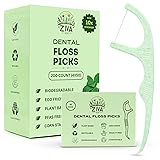
Switch Your Dental Floss
Replace Oral-B Glide and similar PTFE-coated flosses with plain nylon or natural silk floss. A 2019 study found that Glide users had measurably higher PFAS blood levels than non-users. Water flossers are an entirely PFAS-free alternative. This is one of the cheapest and easiest swaps on this list.
03
Scan Ingredient Labels
Avoid: PTFE, polytetrafluoroethylene, fluorocarbon resin, perfluorooctyl triethoxysilane, and any ingredient beginning with “perfluoro.”
Reduce PFAS in Your Home Environment
Dust, Furniture, and Carpets
PFAS from stain-resistant furniture, carpets, and treated textiles migrate into household dust over time. Dust is a meaningful exposure pathway, particularly for young children and pets on the floor.
01
Vacuum with a HEPA Filter Vacuum
Standard vacuums recirculate fine dust back into the air. A HEPA-filter vacuum captures it. Aim for at least weekly vacuuming of carpeted areas and upholstered furniture to reduce PFAS exposure. More frequently if you have young children or pets on the floor.
02
Leave Shoes at the Door
Shoes track in PFAS-contaminated soil and dust. Removing shoes at entry significantly reduces PFAS brought into the home.
03
Decline Stain-Protection Treatments
These treatments are applied at point of sale on furniture, carpets, and rugs and are almost always PFAS-based. When replacing carpets or rugs, choose untreated natural fibers: wool, cotton, or jute.
04
Wipe Hard Surfaces with a Damp Cloth
Dry dusting redistributes particles into the air. Damp wiping removes them.

Where to Learn More
Useful Resources to Reduce PFAS
Look up your utility’s annual Consumer Confidence Report by zip code.
Confirm NSF/ANSI 58 or 53 certification before purchasing any filter.
Search cosmetics by product name for PFAS and other ingredient concerns.
Certified cleaning and personal care products without intentionally added PFAS.
Track which brands have committed to removing PFAS from food packaging.